Kent House bulky rubbish pickup tips for Beckenham
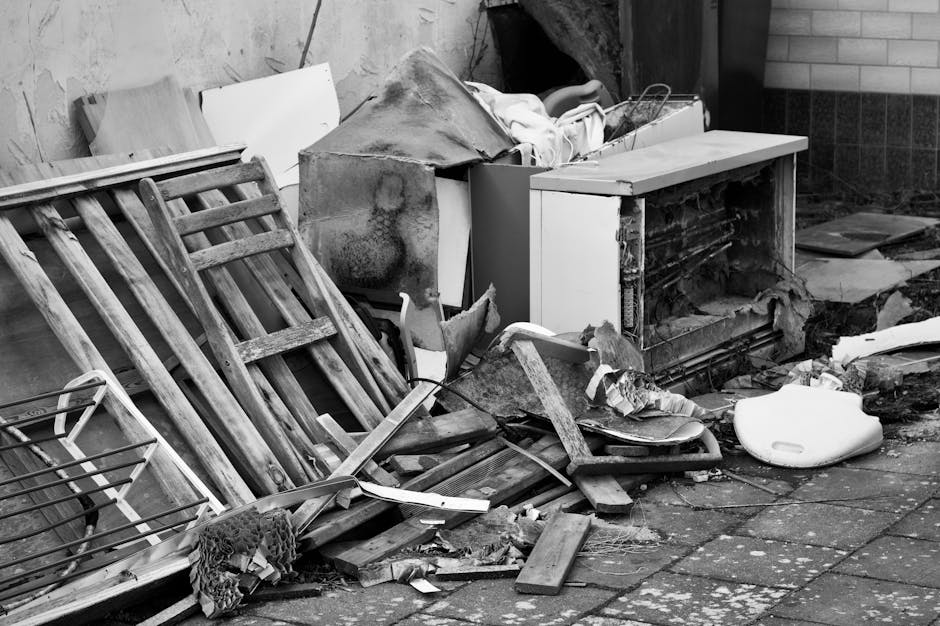
If you are staring at a sofa that will not fit through the doorway, a broken wardrobe that has outstayed its welcome, or a pile of mixed household clutter that has quietly taken over the spare room, you are in the right place. These Kent House bulky rubbish pickup tips for Beckenham are written to help you clear large items without the usual stress, second-guessing, or last-minute scrambles.
Bulky waste sounds simple enough until you actually try to move it. Then the awkward corners, lifting, sorting, and disposal questions start to pile up. What can go? What should be kept separate? Is it worth booking a professional collection, or can you manage it another way? This guide walks through the practical side of bulky rubbish pickup in Kent House and Beckenham, with local-minded advice, clear steps, and the kind of small details that make a real difference on the day.
Whether you are clearing after a move, dealing with a room refresh, or finally tackling a long-postponed garage clean-out, the aim is the same: make the job quicker, safer, and a lot less annoying. Let's get into it.
Why Kent House bulky rubbish pickup tips for Beckenham Matters
Bulky rubbish is rarely just "stuff". It is usually furniture that has become too heavy to shift safely, old appliances that need careful handling, or accumulated household items that are too big for everyday bins. In a place like Kent House, where homes can be compact, access may be narrow, and parking can be tight, the practical side matters just as much as the disposal itself.
A good pickup plan saves time, but it also reduces risk. One wrong lift can mean a strained back. One badly timed collection can leave items blocking a hallway or pavement. And to be fair, nobody wants to drag a mattress outside at 7 a.m. only to realise it cannot go where you expected. A little planning saves a lot of faff.
There is also the local angle. In Beckenham, people often need a solution that works around busy roads, shared entrances, flats, and family schedules. A bulky waste job is easier when you understand what needs sorting, what can be reused or recycled, and how to prepare items so they are ready to go. That is where clear, local-facing advice becomes genuinely useful, not just nice to have.
Expert takeaway: the best bulky rubbish pickup is not simply the fastest one. It is the one that fits your property, your timing, your budget, and the type of waste you actually have.
How Kent House bulky rubbish pickup tips for Beckenham Works
At a practical level, a bulky rubbish pickup usually starts with identifying the items, estimating the amount of space they will take up, and choosing the most suitable collection method. Some items are straightforward: a wardrobe, a table, a mattress. Others need a bit more thought because they may contain mixed materials, electrical parts, or sharp edges.
In a local pickup context, the process usually looks like this:
- List everything you want removed. Be exact. "Old stuff in the shed" is not enough. "Two broken chairs, one mattress, one chest of drawers, and a small pile of cardboard" is much better.
- Check what is reusable, recyclable, or waste. If an item could be donated, repaired, or dismantled for parts, you may want to separate it first.
- Measure awkward items. Large wardrobes, sofas, and exercise equipment can be harder to remove than they look. Doors, stairwells, and hallways matter.
- Prepare access. Move smaller items out of the way, unlock gates if needed, and make sure collection crews can get to the items without delay.
- Choose your collection route. That may mean a council route, private removal, or a mix of disposal options depending on the items.
- Confirm the final load. If the volume is underestimated, the collection may need adjusting. Better to spot that before anyone starts lifting.
One thing people often overlook is the difference between bulky household rubbish and general mixed waste. A tired sofa, a cracked wardrobe, and a dismantled bed frame are one thing. Builder's debris, paint tins, fridge units, and bagged junk may need different handling. That matters because the wrong mix can cause delays or extra sorting on the day.
If you are also dealing with broader clear-out work, a service such as house clearance can be more efficient than trying to manage each bulky item separately. For mixed domestic loads, this often makes the whole process feel less like a weekend project and more like something under control. Which, frankly, is the point.
Key Benefits and Practical Advantages
The value of a good bulky pickup goes beyond "getting rid of things". It can simplify a move, open up living space, reduce trip hazards, and help you reset a room without the emotional drag of clutter hanging around for another month.
- Less lifting and fewer injuries. Large objects are awkward. Having a plan lowers the risk.
- Better use of time. Instead of multiple car trips or endless sorting, you can handle the load in one organised go.
- Cleaner spaces faster. Bedrooms, lofts, garages, and lounges feel usable again much sooner.
- More responsible disposal. Items can be separated for recycling or reuse where appropriate.
- Reduced stress during transitions. Moves, refurbishments, and family clear-outs are already full enough without rubbish becoming the main character.
There is another quiet benefit too: momentum. Once the big items are out, the smaller tasks suddenly feel manageable. You will notice it immediately. A room that looked overwhelming at 8 in the morning can feel completely different by lunchtime.
For homeowners and landlords alike, bulky pickup also helps prepare spaces for cleaning, decorating, letting, or sale. If the job involves several rooms or storage areas, it may be worth looking at related services such as loft clearance, garage clearance, or even furniture clearance where the job is mostly large items rather than mixed household waste.
Who This Is For and When It Makes Sense
Bulky rubbish pickup is for anyone who has items too large, too heavy, or too inconvenient to put out with routine waste. That sounds broad because it is broad. In Beckenham and Kent House, the most common situations are surprisingly familiar.
Typical situations where pickup makes sense
- You have replaced old furniture and need the previous pieces removed.
- You are clearing a flat, house, or rental property between occupants.
- You are tidying a loft, garage, shed, or spare room that has become a storage zone.
- You have bulky items from a renovation or room refresh.
- You need a fast solution before guests arrive or a move date closes in.
- You cannot safely move the items yourself, especially down stairs or through tight spaces.
If the job is mainly domestic clutter rather than one or two pieces of furniture, a broader service may be more suitable. A full home clearance can be the better fit where there are lots of mixed items, while flat clearance tends to make sense when access is more restricted and the load is concentrated in one upstairs or apartment setting.
Truth be told, the decision often comes down to this: do you need a quick removal of a few large items, or are you actually dealing with a larger declutter that happens to include bulky waste? If it is the second one, it helps to think bigger from the start.
Step-by-Step Guidance
Here is the simplest way to approach a bulky rubbish pickup without creating extra work for yourself.
1. Walk through the property and make a pile list
Go room by room. Write down each bulky item and note anything unusual, such as glass, mirrors, detachable legs, or electrical wiring. This takes five minutes and can save you a lot of back-and-forth later.
2. Separate what can be reused or recycled
A solid wooden table may be reusable. A metal bed frame may be recyclable. A broken wardrobe with damaged panels may be waste. Sorting at this stage helps you avoid a messy "everything in one heap" situation. Nobody needs that at the kerb.
3. Measure access, not just the item
This is where people get caught out. The sofa may fit the doorway, but does it turn on the landing? Can it clear the stair rail? Is there a tight hall bend? In older Kent House properties, these little access snags are common enough to deserve attention.
4. Prepare the collection path
Move shoes, bins, plant pots, and loose clutter out of the way. If the team has to snake through a narrow route carrying a wardrobe, the risk of damage goes up. A clear path also speeds things up, which everyone appreciates on a busy day.
5. Group items logically
Keep similar waste together where possible. For example, place furniture in one area and bagged soft waste in another. If you are also removing bulky garden items, a service like garden clearance may be useful for items such as broken outdoor furniture, planters, and old fencing offcuts.
6. Confirm what will not be taken
Some items may need separate handling. If you have electrical appliances, paint, chemicals, or anything with suspected contamination, check in advance. Better a clear answer before the pickup than a confused conversation in the driveway. Been there, seen that.
7. Keep one final access check for the morning of collection
Parking disappears, weather changes, and gates get stuck at the worst moment. A quick final check means fewer surprises. If it is raining, use gloves and make sure paths are not slippery. Small thing, but worth it.
Expert Tips for Better Results
Here is where a bit of practical experience helps. Bulky waste jobs are smoother when you think like the person lifting the items, not just the person wanting them gone.
- Take doors off large furniture when safe to do so. This can reduce the volume and make movement much easier.
- Empty drawers, shelves, and cabinets first. It sounds obvious, but heavy furniture becomes much more awkward when it is still full of random things.
- Bundle loose parts together. Screws, fittings, and detachable legs should be bagged or taped where sensible.
- Photograph awkward items. If you are unsure about access or disposal type, pictures help clarify the job quickly.
- Sort by weight as well as size. A bulky but light item is very different from a smaller item that is oddly heavy. Your knees will know the difference.
- Plan for the route out, not just the room in. The shortest path is not always the easiest path.
A good rule of thumb: if it looks awkward now, it will feel twice as awkward once someone is trying to carry it around a corner. That is not pessimism, just experience.
If your project includes business premises, offices, or workspace clear-outs, you may get more value from business waste removal or office clearance instead of treating it like a domestic job. Different waste streams, different expectations. Simple enough once you step back and look at the whole picture.
Common Mistakes to Avoid
Most bulky rubbish headaches come from a handful of avoidable mistakes. The good news? They are easy to spot once you know what to look for.
- Underestimating volume. People often think one sofa and two chairs are "not much". Until they see them all together.
- Leaving sorting until collection day. That is how delays happen.
- Forgetting access issues. Tight hallways, lifts, shared entrances, and parking restrictions all matter.
- Mixing inappropriate waste types. Some materials need separate handling, and mixing them can complicate the job.
- Not preparing for awkward weather. Rain, wind, and dark evenings make everything harder. Especially that one item you forgot was outside.
- Assuming every item can be handled the same way. Furniture, white goods, green waste, and renovation debris each bring different considerations.
Another common slip is waiting until the pile becomes unmanageable. That is how a simple pickup turns into a full-day clear-out with several decision points and a growing sense of regret. Not ideal. If a few items are already bothering you, deal with them before they multiply.
Tools, Resources and Recommendations
You do not need a van full of equipment to prepare bulky rubbish for pickup, but a few basic tools make the process much easier.
- Work gloves: Helpful for splinters, sharp edges, and dusty old furniture.
- Strong tape or cable ties: Useful for bundling cables, screws, or loose parts.
- A tape measure: Essential for checking access and item dimensions.
- Marker pen and labels: Handy if items are being separated into keep, donate, recycle, and remove piles.
- Rubbish sacks or clear bags: Useful for small loose parts and non-sharp soft waste.
- Furniture sliders or a dolly: Very helpful for moving heavy items without scrapes.
For people trying to keep costs sensible, a little planning goes a long way. The article on how to maximise your budget when handling bulky waste items is worth a look if you want to avoid paying for unnecessary labour or repeated visits. It is one of those small-read, big-save topics.
If sustainability matters to you, a service with a clear recycling approach can make a difference. The page on recycling and sustainability explains the kind of mindset many readers now look for: less landfill where possible, more sensible sorting, and disposal with care. That is increasingly what people want, and fair enough.
Law, Compliance, Standards, or Best Practice
Bulky waste removal is not just about convenience. In the UK, waste should be handled responsibly, and that includes making sure it is passed to a legitimate carrier and not dumped somewhere it should not be. You do not need to become a waste law expert, but you do need to be cautious about who takes your items and where they end up.
As a practical best practice, keep these points in mind:
- Use reputable collectors. If someone is offering suspiciously cheap removal with no clear process, that is a warning sign.
- Ask how waste is sorted. Responsible handlers usually separate reusable, recyclable, and residual waste where possible.
- Be careful with hazardous or specialist items. Paint, chemicals, fridges, and contaminated materials may need special treatment.
- Do not leave waste on the street without a proper plan. That can lead to nuisance, blocked access, or worse, illegal dumping.
- Keep paperwork or booking details where relevant. It is sensible to know who collected what, and when.
If you are unsure whether an item falls into a special category, ask before collection day. That small step can prevent a lot of hassle. And if the job is tied to a property that also needs cleanup, the health and safety policy and insurance and safety information can help reassure you that the work is being approached properly.
Options, Methods, or Comparison Table
There is no single perfect way to deal with bulky rubbish. The right method depends on what you have, how quickly it needs clearing, and how much handling you want to do yourself.
| Method | Best for | Pros | Watch out for |
|---|---|---|---|
| Do-it-yourself trips | Small quantities and easy access | Can be cheaper if you already have transport | Time, lifting risk, multiple journeys |
| Scheduled bulky pickup | Planned household items | Structured and straightforward | Timing may be less flexible |
| Private removal service | Mixed loads, urgent jobs, awkward access | Fast, adaptable, labour included | Costs can vary by volume and complexity |
| Full clearance service | Large declutters, moves, probate, refurbishments | Covers more than just bulky pieces | May be more than you need for a small job |
In many Kent House situations, the choice is between a focused pickup and a wider clearance. If the room is genuinely cluttered rather than simply holding a few large items, a waste removal approach may be the most efficient route. If it is mostly one type of bulky item, specialist furniture removal may suit better.
For anyone replacing old items, furniture disposal can be especially useful when a sofa, bed frame, or table has reached the end of the line and you want it gone without hassle. That kind of focused service often saves a lot of back-and-forth.
Case Study or Real-World Example
Here is a realistic example based on the kind of job people in Beckenham often face. A couple in Kent House wanted to clear a spare room before turning it into a home office. The room held an old double mattress, a chest of drawers, two broken bedside tables, a folding chair, and a pile of random boxes that had slowly taken over the corner near the window.
At first glance, it looked like a one-hour task. In reality, the awkward part was access. The mattress had to turn through a narrow hallway, one drawer unit had loose backing, and the boxes contained mixed bits and pieces that needed sorting before removal. So the couple spent twenty minutes separating keep, recycle, and remove. That one small step made the actual pickup much smoother.
They also cleared the stair landing before collection and moved a side table that might have been knocked on the way through. The result? The whole room was emptied neatly, there was less stress, and the office desk was set up the same day. Nothing dramatic. Just practical, well-handled work that avoided the usual "why did we leave this so long?" feeling.
If the job had involved more rooms, the answer may have been a broader home clearance instead. But for that kind of compact local clear-out, a focused bulky pickup was the right fit.
Practical Checklist
Use this quick checklist before your bulky rubbish pickup. It keeps the job tidy and helps avoid last-minute surprises.
- Identify every item that needs removing.
- Separate anything reusable, recyclable, or sensitive.
- Measure awkward furniture and tight access points.
- Clear walkways, halls, steps, and door thresholds.
- Remove loose contents from drawers, cupboards, and shelves.
- Bundle screws, cables, and loose fittings.
- Confirm what cannot be collected.
- Check parking or access arrangements if relevant.
- Keep pets and children out of the work area.
- Do a final walk-through before the crew arrives.
A simple list like this sounds almost too basic, but it works. Most pickup delays are caused by one or two overlooked details, not by the big obvious stuff.
Conclusion
Kent House bulky rubbish pickup tips for Beckenham are really about making a practical job feel manageable. Once you break the task into clear steps, bulky waste stops looking like a massive burden and starts looking like a straightforward project with a few sensible decisions attached.
The main things to remember are simple: identify the load, sort it properly, check access, avoid common lifting mistakes, and choose the right removal route for the type of waste you actually have. If you do that, the day runs more smoothly. Usually much more smoothly.
And honestly, there is a real satisfaction in seeing a room clear out and breathe again. The floor reappears, the corners look bigger, and the whole place feels lighter. Small win, big relief.
Get a free quote today and see how much you can save.
Frequently Asked Questions
What counts as bulky rubbish in Beckenham?
Bulky rubbish usually means items too large or awkward for normal household waste, such as sofas, beds, wardrobes, tables, mattresses, and similar oversized items. It can also include large mixed household items that need careful handling.
How do I prepare for a bulky rubbish pickup?
Make a list of items, clear access routes, remove loose contents, and separate anything reusable or recyclable. If possible, measure larger items and doorways so there are no access surprises.
Can bulky rubbish be collected from a flat or upstairs property?
Yes, but access matters more in flats and upper floors. Narrow stairways, lifts, and shared hallways can slow things down, so it helps to check the route out before collection day.
Is it better to book a bulky pickup or a full clearance?
If you only have a few large items, a bulky pickup is often enough. If there are lots of mixed items across several rooms, a full clearance is usually more efficient.
What should I do with old furniture that is still usable?
If it is in decent condition, consider reuse first. Some furniture can be donated, sold, or repurposed. If not, furniture disposal or clearance may be the most practical route.
Are there items that need special handling?
Yes. Electrical items, fridges, paint, chemicals, and contaminated waste may need separate handling. It is always best to ask before collection rather than assume everything goes in the same load.
How can I reduce the cost of bulky rubbish removal?
Sort items before collection, avoid mixing in unrelated waste, and be clear about volume from the start. A tidy, well-described load is usually easier and cheaper to manage than a vague one.
What if my bulky item will not fit through the door?
That is common enough. Sometimes the item can be dismantled, but only if it is safe to do so. Measuring access before collection helps avoid this problem in the first place.
Can I leave bulky rubbish on the pavement?
You should not leave items out without a proper collection plan. Unattended waste can create nuisance, block access, and in some cases lead to penalties or complaints.
How fast can bulky rubbish be removed?
It depends on the load, access, and availability. Smaller, well-prepared jobs can move quickly, while larger or more complex clear-outs may take longer. Timing also changes if sorting or dismantling is needed.
What is the best time to arrange a pickup in Kent House?
Usually, the best time is when you have already sorted the items and can give clear access. Morning collections can work well because the day is fresh, parking is often easier, and you are less likely to be juggling other plans.
How do I know a removal service is handling waste responsibly?
Look for clear communication, proper documentation where relevant, and a sensible explanation of how items will be sorted or processed. Responsible operators should not be vague about disposal.
Can bulky rubbish pickup help with a full room reset?
Absolutely. Once the large items are gone, cleaning, decorating, or reorganising becomes much easier. That first empty corner can be oddly motivating, in a good way.
What if I also have garden or garage clutter?
It may be worth combining the work. A garage clearance or garden clearance can make sense if the bulky rubbish is part of a larger tidy-up rather than an isolated job.
If you want a simple next step, start with a short list of items and take a quick look at access. That little bit of preparation makes the whole process calmer, cleaner, and far easier to manage. And that is usually what people really want.