Shortlands area bulk waste solutions for residents
If you live in Shortlands and you are staring at an overflowing spare room, a battered sofa that has seen better days, or a stack of broken household items in the garage, you are not alone. Bulk waste has a way of building up quietly, then suddenly becoming the sort of job you keep putting off. This guide to Shortlands area bulk waste solutions for residents is designed to make the process feel a lot less messy, a lot less confusing, and a bit more manageable.
Whether you are clearing a house after a move, dealing with old furniture, or getting rid of garden waste, the right approach can save time, stress, and a fair bit of lifting. And let's face it, nobody wants to spend a whole Saturday wrestling a wardrobe down the stairs if there is a simpler, safer way.
Below, you will find practical guidance on what bulk waste includes, how collection and clearance usually work, what to watch out for, and how to choose an option that suits your home, your budget, and your schedule.
Why Shortlands area bulk waste solutions for residents Matters
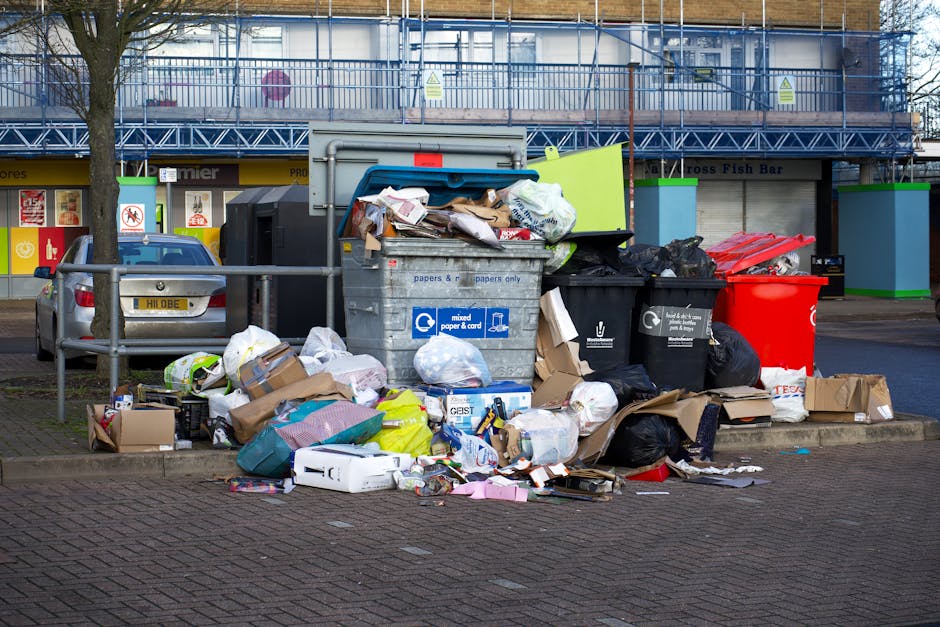
Bulk waste is not the same as your everyday wheelie-bin waste. It is the awkward stuff: large furniture, broken appliances, heavy household clutter, garden debris after a big tidy-up, and the leftovers from a renovation or clear-out. In a residential area like Shortlands, that kind of waste can become a real inconvenience very quickly.
For one thing, it takes up space you probably need. A hallway blocked by flat-pack boxes or a loft full of old chairs is more than untidy; it gets in the way of normal life. It can also create trip hazards, attract pests, and make cleaning harder. If you have ever tried to vacuum around a half-disassembled bookcase, you will know the feeling.
There is also the practical side. Not all bulky items can simply be broken down and put out with regular refuse. Some need special handling, and some should be sorted for recycling or reuse where possible. Good bulk waste clearance for residents in Shortlands helps you deal with those items in a way that is efficient and responsible.
The other reason it matters is timing. When waste is piling up, the job tends to feel bigger every day it stays there. Clear it sooner and it usually feels straightforward. Leave it too long and suddenly you are organising a mini operation. Nobody enjoys that sort of weekend.
If you are looking for a broader service beyond one-off bulky items, it may also help to read about waste removal and the more tailored options for home clearance, especially if the job has started spreading from one room into several.
How Shortlands area bulk waste solutions for residents Works
Most bulk waste solutions follow a simple pattern: identify what needs removing, decide how it should be handled, book the collection or clearance, and make sure the items are taken away safely and legally. That sounds basic, but the details matter.
Start by separating items into rough categories. For example:
- furniture such as sofas, wardrobes, tables, and mattresses
- white goods like fridges, freezers, washing machines, and cookers
- general household clutter from a loft, garage, or spare room
- garden waste after pruning, fencing work, or landscaping
- light construction or refurbishment debris
From there, a provider can estimate the amount of waste, the access needed, and how many people or vehicles are required. In some cases, collection can be quick and fairly straightforward. In others, especially where items are bulky, heavy, or tucked away upstairs, the job needs more planning than people expect.
A good service will usually ask about access, parking, stairs, and whether anything is fragile or awkward to move. That is not fussiness. It is how you avoid scratched walls, strained backs, and that uncomfortable moment when a chest of drawers gets stuck halfway through the landing.
For residents who need clearance alongside specific item removal, specialist services can help. For example, furniture clearance is useful for mixed bulky household pieces, while furniture disposal is a better fit when items are no longer reusable and need responsible processing.
Some jobs also overlap with other service types. A cluttered garage may be best handled through garage clearance, while household downsizing often fits neatly with house clearance or flat clearance. Truth be told, many residents need a mix, not just one neat category.
Key Benefits and Practical Advantages
The biggest benefit is obvious: you get your space back. But there is more to bulk waste solutions than a tidy room and a free hallway.
First, they reduce physical strain. Bulky items are often heavier or more awkward than they look. A sofa with loose springs or a damp mattress can be surprisingly difficult to handle safely. Professional removal reduces the chance of injury and damage.
Second, they save time. What might take a resident several trips, a borrowed van, and half a day of loading can often be handled in one organised visit. For busy households, that difference matters a lot.
Third, they help with sorting and disposal. Not everything has to go to waste. Good operators will separate reusable items, recyclable materials, and items requiring special handling. That matters for both environmental reasons and simple common sense.
Fourth, they make life easier during transitions. Moving home, renovating, preparing a rental property, or handling a family clearance can be emotionally and physically draining. A dependable clearance process removes one of the biggest sources of friction.
Fifth, they can improve safety and day-to-day comfort. That spare bed frame in the passage or pile of old cabinets in the shed may not seem urgent, but clutter has a way of crowding the mind as well as the room. A cleared space feels calmer. You notice it straight away.
| Benefit | What it means for residents | Why it matters |
|---|---|---|
| Space recovery | Rooms, garages, and lofts become usable again | Makes the home feel larger and more functional |
| Safer handling | Heavy items are removed without DIY lifting risks | Helps prevent injury and property damage |
| Better sorting | Items can be separated for reuse, recycling, or disposal | Supports responsible waste management |
| Less disruption | The job is handled in one planned visit | Useful when time is tight or access is limited |
For households that care about responsible handling, it is also worth looking at a provider's recycling and sustainability approach. That gives you a better sense of how items are processed after collection, not just how fast they are picked up.
Who This Is For and When It Makes Sense
Bulk waste solutions are not just for major clear-outs. They are useful for ordinary homes as well, especially when life gets a bit messy, which it does. If you live in a flat, a terraced house, or a family home in Shortlands, you may need this kind of support more often than you think.
This is especially relevant for:
- residents moving home and needing to clear unwanted furniture
- families downsizing after children leave home
- landlords or tenants clearing a property between occupiers
- people handling inherited belongings after a difficult life event
- homeowners after decorating, refurbishing, or replacing old items
- garden owners dealing with branches, cuttings, and broken outdoor items
- anyone whose loft, garage, or spare room has become a storage zone by accident
It also makes sense when items are too awkward for standard council-bin collection or too large to fit in a normal car. You know the sort of thing: a mattress leaning against the wall for two months, a desk with missing legs, boxes of broken toys, old shelving, or a treadmill that became a laundry rack in 2019.
For smaller domestic jobs, loft clearance can be the difference between a stressful whole-day job and a clean, simple solution. Likewise, if the issue is mainly garden-related, garden clearance is often the more practical route.
Step-by-Step Guidance
If you want the smoothest outcome, it helps to treat bulk waste removal as a small project rather than a panic job. A little planning goes a long way.
- Walk through the property carefully. Make a quick list of everything that needs to go. Include awkward items, hidden pieces in sheds or lofts, and anything you are unsure about.
- Separate what can stay, what can be reused, and what has to leave. This is the moment when people often rediscover things they forgot they owned. Sometimes that is useful. Sometimes it is mildly embarrassing.
- Check access and lifting conditions. Note staircases, narrow doorways, shared entrances, parking issues, and long carries from the front door to the vehicle.
- Group items by type. Furniture, mixed household items, garden debris, and light builders' waste all behave differently. Grouping them helps with planning.
- Ask for a quote or collection plan. Be clear about quantity, access, and any unusual items. Photos can help if they are requested.
- Prepare the items for removal. Clear a path, remove loose personal belongings, and make sure fragile items are protected or separated.
- Confirm what will happen after collection. If sustainability matters to you, ask how items are sorted and whether reusable goods are diverted from disposal.
- Keep the paperwork or service details. That can be useful for your own records, especially if the clearance is linked to a move, rental turnover, or property sale.
For more complex clear-outs, especially where waste is mixed with renovation debris, a specialist builders waste clearance service may be more suitable than a standard household collection. The same applies if the project touches a business property or mixed-use space, where business waste removal could be the better fit.
Expert Tips for Better Results
The small decisions usually make the biggest difference. Here are the things that tend to matter most in real jobs.
- Be brutally honest about volume. "A few items" can turn into half a van. It happens all the time.
- Don't leave access checks until the day of collection. Measure doorways if an item is bulky, and think about stairs, railings, or low ceilings.
- Keep mixed waste separate where possible. It speeds up sorting and can avoid confusion on site.
- Flag anything unusual early. Items with glass, sharp edges, fluids, or electrical components need a bit more care.
- Ask whether any items can be recycled or reused. This is especially sensible for furniture in decent condition.
- Schedule the clearance before your deadline gets close. If you are moving, renovating, or hosting family, give yourself breathing room.
A useful rule of thumb: if an item would be awkward to carry alone without twisting, dragging, or making a grim face, plan for help. Your back will thank you later. Probably with silence, which is the best kind of thanks.
Residents comparing options may also want to review pricing and quotes so they can weigh convenience against overall value rather than looking at price alone.
Common Mistakes to Avoid
A lot of bulk waste problems are created by good intentions and poor planning. That sounds harsh, but it is usually true.
1. Waiting until the last minute. Once the pressure is on, people rush decisions and forget important details. That can lead to delays or extra handling.
2. Underestimating heavy or awkward items. A wardrobe that looks manageable in the bedroom may be a nightmare on the stairs. Very different story when gravity gets involved.
3. Mixing valuables with waste. It is surprisingly easy to throw away paperwork, keepsakes, or useful tools by mistake during a clear-out. Always check drawers and pockets.
4. Forgetting access details. If there is nowhere to stop the vehicle or the item must pass through a tight communal corridor, that matters. A lot.
5. Ignoring disposal responsibility. Cheap removal is not always worth it if you are unsure where the waste will end up. Use a provider that explains its process clearly.
6. Assuming all bulky items are treated the same. White goods, general household clutter, garden waste, and builders' debris usually need different handling. Lump everything together and the job becomes muddier than it needs to be.
Tools, Resources and Recommendations
You do not need a toolkit the size of a builder's van, but a few simple items make clearance smoother.
- Sticky notes or labels for marking what goes and what stays
- Heavy-duty bags or boxes for small loose items
- Measuring tape for large furniture and narrow access points
- Work gloves for safe handling of rough or dusty items
- Camera phone to record item condition or send photos for a quote
- Permanent marker for tagging items in shared properties or multi-room jobs
When choosing a service, look for clear communication, sensible questions about access, and a willingness to explain how waste will be handled. If a provider offers insurance and safety information openly, that is usually a reassuring sign. It does not solve everything, obviously, but it shows they take the job seriously.
You may also want to review the company's about us page to understand their approach, and payment and security details if you prefer to know how the admin side works before booking. For policies and service expectations, the terms and conditions can be worth a quick read too.
Law, Compliance, Standards, or Best Practice
Without getting buried in legal language, it is worth saying this clearly: residents should always use a waste solution that handles items responsibly and follows accepted UK waste practice. That includes proper transfer, lawful disposal, and appropriate treatment of any items that need special handling.
If you are arranging clearance from home, you still have a duty to be careful about who takes your waste. The short version is simple: keep records where appropriate, avoid informal arrangements that feel vague, and choose a service that can explain what happens to the waste after collection. If the answer is muddy, be cautious.
Some items need extra care because of their material or contents. Electrical appliances, refrigeration units, items with hazardous residues, and certain renovation waste can require different handling from general household rubbish. You do not need to memorise every category, but you should flag anything unusual up front.
Best practice also includes health and safety. That means sensible lifting, clear access routes, and using trained help for awkward items. For residents, it is not about being overly cautious. It is about avoiding a knocked wall, a trapped finger, or a badly timed back twinge that ruins the rest of the week.
If you are concerned about ethical handling and wider responsibility, a provider's commitment to recycling and sustainability and its published health and safety policy can give useful reassurance. Those pages help show that clearance is being handled with care, not just speed.
Options, Methods, or Comparison Table
There are several ways residents can deal with bulk waste in Shortlands. The right one depends on volume, item type, timing, and how much lifting you want to do yourself. To be fair, that last part is often the deciding factor.
| Option | Best for | Pros | Things to consider |
|---|---|---|---|
| DIY disposal | Small amounts and easy access | Flexible timing, direct control | Requires transport, lifting, and your own time |
| Single-item collection | One sofa, mattress, appliance, or similar item | Quick and straightforward | May not suit mixed loads or multiple rooms |
| Full household clearance | Moves, downsizing, bereavement, major declutter | Handles many items in one visit | Needs clear planning and access details |
| Specialist waste removal | Builders' waste, garden waste, business items | Better sorting and more suitable handling | Needs accurate item description |
For many residents, the sweet spot is not "do everything yourself" or "clear the whole house at once" but something in the middle. A tailored service for one room, one garage, or one awkward load often makes the most sense. If your clearance job has a strong property-wide element, house clearance is worth considering. If it is limited to a flat or apartment, flat clearance may be the cleaner match.
Case Study or Real-World Example
Picture a fairly typical Shortlands Saturday morning. A resident decides the spare room is no longer allowed to be a storage unit. There is an old sofa bed, two broken bedside tables, a box of mixed books, some leftover decorating materials, and a few bags from the loft that were meant to be sorted last winter. They open the door, stand there for a moment, and close it again. Fair enough.
The smarter move is to break the job into clear parts. First, they separate anything that should stay. Then they group furniture, small clutter, and building leftovers. Next, they check access to the front of the property, note the narrow staircase, and decide the job is better handled with proper help rather than a heroic lift attempt.
By planning it this way, the resident avoids multiple car journeys, unnecessary strain, and the usual "where on earth do we put this until next week?" problem. The room is cleared in one visit, and the space is ready for use again. Nothing dramatic. Just a much easier day than expected.
If the furniture had still been in decent condition, they might have looked at furniture disposal versus furniture clearance to decide which route suited the condition and mix of items best. That sort of small decision makes a noticeable difference in the end result.
Practical Checklist
Use this before arranging a bulk waste collection or clearance in Shortlands.
- Have I listed every item that needs to go?
- Have I checked lofts, sheds, cupboards, and under-bed storage?
- Do I know which items are furniture, garden waste, or mixed household clutter?
- Have I measured tight access points or awkward stairs?
- Have I removed personal items, valuables, and paperwork from the waste pile?
- Do I know whether any items need special handling?
- Have I checked whether I want reuse, recycling, or disposal priority?
- Have I allowed enough time before a move-out, renovation, or deadline?
- Have I reviewed pricing, payment, and service terms?
- Am I clear on how the waste will be transported and processed?
If you are dealing with a larger mixed load, it can also help to review waste removal options alongside the specific room or item service. That gives you a more complete picture before you book.
Get a free quote today and see how much you can save.
Conclusion
Shortlands area bulk waste solutions for residents are really about making awkward jobs feel manageable. Whether you are clearing one bulky item or an entire room full of clutter, the best results come from a mix of planning, realistic expectations, and the right kind of help.
The good news is that you do not need to solve everything at once. Start with the items that are blocking space or causing stress, sort them clearly, and choose a method that fits the size of the job. A careful clearance is usually quicker, safer, and less expensive in the long run than a rushed one. Honestly, it is one of those tasks that feels ten times better once it is underway.
If you want to understand the people behind the service before booking, you can also look at about us and contact us pages to see how the process is set up. And if sustainability matters to you, the recycling and sustainability information is well worth a look.
At the end of the day, clearing bulk waste is not really about waste at all. It is about making room for a calmer, more usable home. That is a good feeling, and it tends to last.
Frequently Asked Questions
What counts as bulk waste for residents in Shortlands?
Bulk waste usually means large or awkward household items such as sofas, mattresses, wardrobes, tables, appliances, garden cuttings, and mixed clutter from rooms, lofts, or garages. If it is too big for normal household bins, it probably counts.
Can I get rid of several different types of waste in one collection?
Often, yes. Many residents have a mixed load made up of furniture, small household items, and other bulky pieces. The key is to describe the load clearly so it can be handled in the right way.
Is it better to clear items myself or book a professional service?
That depends on the amount, weight, access, and time you have. If the items are light and easy to transport, DIY may work. For heavy, awkward, or time-sensitive jobs, a professional clearance is usually much easier and safer.
What should I do before bulk waste is collected?
Separate what is being removed, clear a path, move personal items out of the way, and make sure access is available. If there are stairs or narrow doorways, mention them early. It saves a lot of hassle later.
Are old furniture items recycled or reused?
Sometimes they are, depending on the condition of the item and the provider's sorting process. Items that are still usable may be suitable for reuse, while damaged or worn pieces are more likely to be broken down for recycling or disposal.
How do I know if a waste removal service is trustworthy?
Look for clear communication, sensible questions about access and item types, and open information about safety, insurance, and disposal practices. If a provider explains the process plainly, that is usually a good sign.
What if I live in a flat or upstairs property?
That is very common, and it just means the access needs to be planned properly. Staircases, communal entrances, and parking can affect the collection method, but they do not usually prevent clearance.
Do I need to separate garden waste from household items?
It is usually a good idea. Garden waste often behaves differently from household clutter, especially if there are branches, soil, fencing, or cuttings involved. Clear separation helps the job run more smoothly.
Can builders' debris be included with residential bulk waste?
Sometimes, yes, but it is often better to use a service suited to that type of material. Mixed renovation debris, broken plasterboard, timber, and rubble may need a more specific approach than general household clearance.
How far in advance should I arrange bulk waste removal?
As early as you can, especially if the job is linked to a move, renovation, or end-of-tenancy deadline. Even a little extra time makes it easier to plan access, item sorting, and any follow-up clear-out work.
What if I'm not sure whether an item can be taken?
List it when you ask for help and describe it as clearly as possible. If needed, take a photo. Items with unusual contents, fluids, or electrical parts should always be flagged early so there are no surprises on the day.
Where can I learn more about the company and policies?
You can review the about us page for background, the terms and conditions for service details, and the insurance and safety page for extra reassurance before booking.