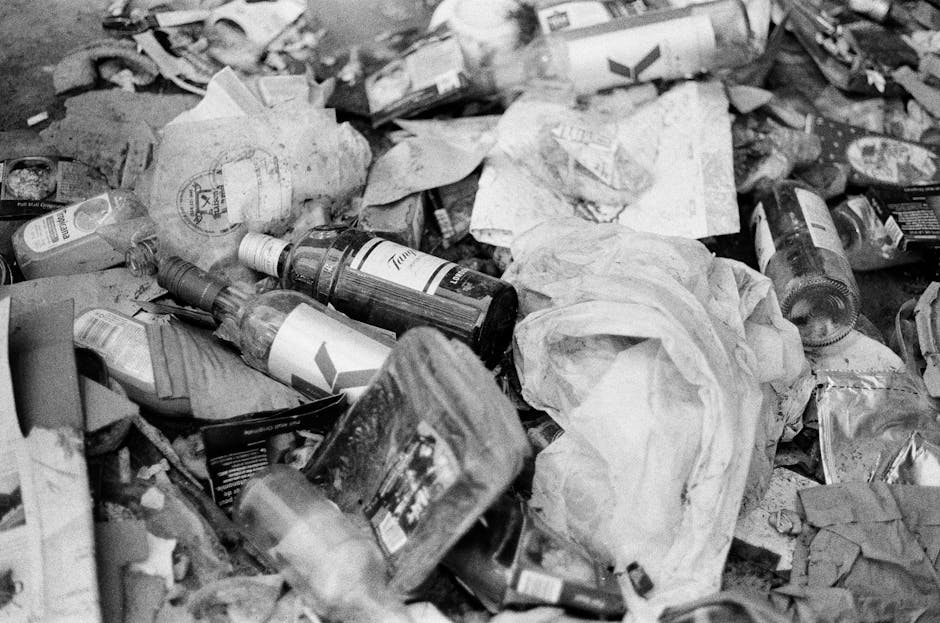
What Bromley Council fines for illegal rubbish dumping?
If you've found yourself asking what Bromley Council fines for illegal rubbish dumping actually mean, you're probably dealing with one of two things: a real mess outside your home or business, or a worry that you might be held responsible for waste that wasn't dumped by you at all. Either way, it's a stressful situation. Fly-tipping looks messy, smells worse than it looks, and in Bromley, like the rest of London, it can quickly turn into a costly enforcement issue if it is handled badly.
This guide breaks the topic down in plain English. You'll learn how council fines usually work, what people are most commonly penalised for, the difference between a fixed penalty and a court fine, and the practical steps you can take to reduce risk. I'll also cover the kind of evidence Bromley Council may look at, the mistakes people make with household and business rubbish, and how to avoid becoming the person left holding the bag. Let's face it, rubbish is rarely exciting, but the consequences can be.
For readers who want a wider service and compliance overview, the team at Office Clearance Beckenham also publishes useful guidance on related topics such as recycling and sustainability, health and safety standards, and insured waste handling.
Table of Contents
- Why it matters
- How it works
- Key benefits and practical advantages
- Who this is for and when it makes sense
- Step-by-step guidance
- Expert tips for better results
- Common mistakes to avoid
- Tools, resources and recommendations
- Law, compliance, standards and best practice
- Options, methods and comparison table
- Case study or real-world example
- Practical checklist
- Conclusion
- Frequently asked questions
Why What Bromley Council fines for illegal rubbish dumping? Matters
Illegal rubbish dumping, often called fly-tipping, is more than an eyesore. In practical terms, it can block pavements, attract vermin, create hazards for children and pedestrians, and leave local landowners or tenants with an unwanted cleanup bill. In Bromley, as in other boroughs, the council has powers to investigate and penalise dumping offences, especially where waste has been abandoned on public land, near bins, in alleyways, or on private property without permission.
The reason this matters is simple: a rubbish issue can escalate fast. A black bag left beside a bin may seem harmless. But if it's in the wrong place, or if waste is traced back to the wrong person, it can become a fine, a warning, or a more serious enforcement matter. You may also face separate costs for removal, storage, or cleaning if the council has to step in. No one wants a tidy-up job to turn into a formal complaint.
There's also a trust issue. If you are a householder, landlord, shop owner, or small business operator, you need to know how to prove that waste was handed to a reputable carrier and disposed of properly. Without that, even honest people can find themselves explaining where a sofa, builder's rubble, or office clear-out ended up. That's why waste records, receipts, and proper collection arrangements matter more than people think.
Practical takeaway: the biggest risk is not just the act of dumping waste, but failing to show that you took reasonable steps to dispose of it lawfully.
How What Bromley Council fines for illegal rubbish dumping? Works
In everyday terms, Bromley Council's approach is usually based on evidence, responsibility, and the scale of the offence. If waste is found dumped unlawfully, the council may investigate who left it there, who arranged the disposal, and whether any duty of care was ignored. That could involve packaging labels, witness reports, vehicle details, CCTV, or documents that connect a person or business to the waste.
There are a few different enforcement routes. Some cases may begin with an informal warning or a request to remove the waste. Others may lead to a fixed penalty notice. In more serious situations, particularly where there's repeated offending, commercial-scale dumping, or obstruction of investigations, the matter could go further. The exact route depends on the facts, and councils do not always treat every incident the same way.
It helps to understand the broad pattern rather than assume one flat penalty applies to everything. A single bag left beside a street bin is not the same as a van load of builder's waste tipped in a layby. The first may trigger a low-level enforcement response, while the second could lead to a much more serious fine or prosecution. In short: context matters. A lot.
If you're arranging a clearance or disposal service, it's sensible to check the provider's operational standards too. Pages such as pricing and quotes and payment and security help set expectations before anyone collects a single item.
Typical enforcement factors councils look at
- Whether the waste was left on public or private land
- Whether the person had permission to place it there
- Whether the waste came from a householder or a business
- Whether the waste appears household, garden, or commercial in nature
- Whether there is evidence linking the waste to a vehicle, invoice, or address
- Whether the incident appears accidental, negligent, or deliberate
- Whether there is a history of repeated dumping or non-compliance
Key Benefits and Practical Advantages
It might feel odd to talk about "benefits" in the context of illegal rubbish dumping fines, but there are real advantages to understanding the system clearly. The first is obvious: you can avoid unnecessary penalties. The second is less obvious but just as important - you can manage your waste in a way that protects your household, your business, and your reputation.
For residents, good waste practice often means fewer surprises. If you know what qualifies as proper disposal, you're less likely to leave something in the wrong place or hand it over to the wrong operator. For landlords and property managers, it means reducing the risk of tenant waste being linked back to the property owner. For businesses, it helps demonstrate duty of care, which is especially important when disposing of office furniture, packaging, or mixed commercial waste.
There's also a financial angle. Proper disposal can seem like an extra cost at the time, but it is usually much cheaper than a fine plus cleanup plus time lost dealing with the problem. And yes, time matters. A Sunday morning spent chasing rubbish after a move-out is one thing; a week of back-and-forth with the council is another altogether.
Another benefit is peace of mind. When waste is collected properly, documented properly, and handled by a responsible operator, you simply worry less. That may sound small, but anyone who has dealt with a dumped mattress or a pile of mixed bags in a rear alley knows how quickly a minor annoyance can become a proper headache.
Who This Is For and When It Makes Sense
This topic matters to a wide mix of people, and not just those who have already been fined. If you live in Bromley, run a local business, manage a rental property, or are planning a house clearance, you should understand the risk before waste leaves your premises.
It especially makes sense for:
- Homeowners and tenants clearing lofts, garages, sheds, or gardens
- Landlords and letting agents who need to manage end-of-tenancy rubbish
- Shop owners and offices disposing of desks, chairs, packaging, or stock waste
- Tradespeople handling construction or renovation debris
- People using a third-party waste collector and wanting to avoid fly-tipping liability
- Anyone who has found dumped waste and needs to know how to respond
It also matters if you're comparing disposal options. Some people assume a cheaper or informal collection will do the job. Sometimes it does. Sometimes it absolutely does not. If you've ever seen a van load of "rubbish removal" dumped down a side road, you know the problem. A bargain is not a bargain if it comes back as a fine.
For businesses especially, it's worth dealing with a provider that can show sensible operational controls. The pages on health and safety policy and insurance and safety are a good example of the type of information a reputable operator should make easy to find.
Step-by-Step Guidance
If you want to reduce the risk of illegal dumping fines, the safest route is to handle waste carefully from the start. Here's a practical step-by-step approach that works well for households and businesses alike.
- Identify the waste type. Is it household rubbish, garden waste, furniture, electricals, or commercial material? Different waste streams may need different handling.
- Separate recyclable and reusable items. This helps reduce volume and can lower disposal costs. It also supports better environmental outcomes.
- Choose a lawful disposal route. Use the council's service, a licensed waste carrier, or a reputable clearance provider with clear paperwork.
- Ask for documentation. Keep a receipt, invoice, or transfer note where appropriate. This is a practical safeguard, not just admin clutter.
- Check where the waste is going. You do not need a map and compass, but you do need confidence the operator is legitimate.
- Do not leave rubbish beside a bin. Even if others do it, that doesn't make it legal. This is a common mistake, especially after move-outs.
- Report dumped waste promptly. If you find fly-tipping, report it to the council and take photos from a safe distance before anything is moved.
A small real-world example: after a flat clear-out, someone leaves a broken wardrobe and two bags by a communal bin because the scheduled collection was delayed. By the next morning, the bags are ripped open and the wardrobe is photographed by enforcement officers. Not ideal. The intent may have been harmless, but the result can still look like unlawful dumping.
Expert Tips for Better Results
Here's the kind of advice that makes a difference in practice, not just on paper. First, always keep proof of who handled your waste. If a clearance company collects your items, note the date, what was collected, and any reference number. A quick photo on your phone can help too. Old-school? Maybe. Useful? Very.
Second, if you're a business, train staff not to "just put it outside" when storage space gets tight. That one habit causes a surprising amount of trouble. If waste must be stored temporarily, keep it secure and clearly separated from public access. If it's visible and accessible, it is more likely to become someone else's dumping problem or enforcement issue.
Third, be cautious with anyone offering to remove waste cheaply from the boot of a vehicle. If they cannot explain where the waste goes, how it is carried, or whether they are licensed, walk away. Truth be told, a cheap flyer through the door is not the same thing as a proper waste service.
Finally, build sustainability into the process. Reuse and recycling reduce the amount that needs to be disposed of. That is good for compliance and good for the planet, and it often makes the job easier. If you want a broader look at responsible disposal, the recycling and sustainability page is a helpful reference.
Common Mistakes to Avoid
Most enforcement problems start with a handful of predictable mistakes. They're easy to make, especially when you're in a hurry, moving home, or clearing a property under pressure.
- Leaving waste beside bins because the bin is full or the collection has been missed
- Using an unlicensed collector who offers no paperwork
- Assuming "someone else will deal with it" after a house move or shop refit
- Not checking what is included in a clearance price, especially for bulky or mixed waste
- Dumping items on private land without the owner's clear permission
- Ignoring dumped waste on your own land until it becomes a bigger problem
- Failing to keep records of disposal arrangements
One of the sneakiest mistakes is casual delegation. A landlord asks a tenant, a tenant asks a friend, a friend hires a van, and nobody keeps the paperwork. Then something turns up in a layby. That chain of responsibility can get messy very quickly. Nobody enjoys being the person trying to reconstruct the story months later.
Tools, Resources and Recommendations
Good rubbish management is easier when you use the right tools. For Bromley households and businesses, that usually means practical things rather than anything fancy.
- Photo records of items before collection or disposal
- Written quotes and receipts for clear audit trails
- Waste carrier documentation where relevant
- Sorting bags or boxes to separate recyclables from general rubbish
- Labels or notes for items that should not be mixed together
- Secure temporary storage for waste awaiting collection
It also helps to choose service providers who explain their processes clearly. If you want to understand what a responsible operator should look like, take a look at pricing and quotes for transparency, and insurance and safety for reassurance around handling and liability. Those details may seem dull until something goes wrong, then they suddenly matter a lot.
For businesses and property managers, the health and safety policy page is also worth checking, especially where collections happen in shared buildings, car parks, or busy access routes.
Law, Compliance, Standards, and Best Practice
While this article is not legal advice, there are some general UK compliance principles worth understanding. Fly-tipping and unlawful waste disposal can be dealt with under local authority powers, and councils may issue fixed penalties or pursue stronger action depending on the case. In practice, this means you should not assume that a "small" incident will be ignored just because it looks minor to you.
Best practice usually includes the following:
- Use legitimate disposal routes and keep records
- Make sure waste is not left in public spaces without permission
- Check credentials before hiring anyone to remove waste
- Keep commercial and household waste separate where possible
- Provide staff or household members with simple disposal instructions
- Respond quickly if waste is dumped on your property
For businesses, duty of care is especially important. The plain-English version: if you generate waste, you need to take reasonable steps to ensure it is stored, transferred, and handled properly. That does not mean becoming a legal scholar or memorising council by-laws. It does mean being able to show that you did the sensible thing.
If you need accessible policy information from a service provider, you can also review the site's accessibility statement and complaints procedure. Those pages are not about fines directly, but they do help show that the operator takes process and accountability seriously.
Options, Methods, or Comparison Table
Choosing the right disposal method is one of the easiest ways to avoid fines. Here's a simple comparison of common options used in and around Bromley.
| Option | Best for | Pros | Risks or limits |
|---|---|---|---|
| Council collection or local authority service | Routine household disposal and some bulky items | Clear legitimacy, predictable process | May have waiting times, item restrictions, or booking rules |
| Licensed waste carrier | House clearances, office clearances, mixed waste | Convenient, documented, scalable | Quality varies; always check credentials and paperwork |
| DIY tip run | Small loads if you have time and transport | Direct control over the waste | Can be time-consuming; risk of incorrect sorting or vehicle issues |
| Unverified collector | Not recommended | Usually appears cheap up front | Higher fly-tipping risk, no reliable trail, possible enforcement problems |
In most real-world situations, the middle option - a reputable, licensed waste carrier - gives the best balance of convenience and protection. If you need a clearer idea of what a proper service may cost, the pricing and quotes page is a sensible place to start.
Case Study or Real-World Example
Picture a small independent shop in Beckenham clearing out old shelving, broken packaging, and a few tired stock displays. The owner is busy, the back room is cramped, and the team wants the clutter gone before the weekend. A local van operator offers a quick collection. So far, so ordinary.
The safer approach is to ask for a written quote, confirm what is being removed, and keep a copy of the paperwork after collection. That way, if the waste is later found somewhere it shouldn't be, the shop has a proper trail showing who took it. If the operator is legitimate, the documentation helps protect the business. If the operator is not legitimate, the warning signs should have been visible early on.
Now imagine the alternative. The shop agrees to a cash-in-hand uplift with no receipt, no business name, and no details about disposal. A few days later, a similar pile turns up dumped near a residential street. Even if the shop didn't mean for that to happen, it may still be left trying to explain how it engaged the collector in the first place. Not a fun afternoon, to be fair.
The lesson is simple: a bit of admin up front can save a lot of stress later. Sometimes the boring option is the smart one.
Practical Checklist
Use this checklist before any rubbish leaves your property or business premises.
- Have I identified the waste type correctly?
- Do I know where the waste is going?
- Have I chosen a licensed or reputable collector?
- Have I asked for written confirmation, quote, or receipt?
- Have I separated recyclable items where possible?
- Is the waste stored securely before collection?
- Could the waste be mistaken for abandoned rubbish if left outside?
- Do I have photos or notes in case I need proof later?
- Have staff, tenants, or family members been told not to leave bags by bins or on pavements?
- If waste has already been dumped, have I reported it and documented the location safely?
If you can tick most of those off, you're in a much better position. If not, that's your cue to slow down and sort the process properly.
Conclusion
So, what Bromley Council fines for illegal rubbish dumping really comes down to is responsibility, evidence, and common sense. The penalty may vary depending on the type of waste, where it was left, and whether there is a clear link back to a person or business. But the guiding principle is steady: if waste is dumped unlawfully, there can be real financial and practical consequences.
The good news is that most problems are avoidable. Use a legitimate disposal route, keep your paperwork, separate waste properly, and do not hand the job to someone who can't explain where it's going. That's the sensible path, and it usually saves time, money, and a lot of aggravation.
If you are planning a clearance and want to avoid the usual traps, take a calm, documented approach. It's not glamorous, but it works. And on a wet Bromley morning with a pavement full of broken boxes and one very determined seagull, that kind of boring reliability is worth a lot.
Get a free quote today and see how much you can save.
Frequently Asked Questions
What is considered illegal rubbish dumping in Bromley?
Illegal rubbish dumping, or fly-tipping, generally means leaving waste in a place you do not have permission to use for that purpose. That can include pavements, verges, alleyways, communal areas, and private land.
Can Bromley Council fine me if someone else dumped the rubbish?
Potentially, yes, if the waste can be linked to you or to your property, vehicle, or business. That is why records and disposal receipts matter. If you used a collector, keep proof.
How much is the fine for fly-tipping?
The amount can vary depending on the circumstances and the enforcement route used. Some cases may involve a fixed penalty, while more serious matters can lead to larger fines or court action. It is not always a single standard figure.
What if I accidentally left rubbish beside a bin?
Even if the intention was not to dump waste, leaving rubbish in the wrong place can still create enforcement risk. If possible, remove it quickly and report any related issue to the relevant authority.
Does the council need proof before issuing a fine?
Generally, councils rely on evidence such as labels, CCTV, witness reports, vehicle information, or paperwork connecting someone to the waste. The stronger the trail, the easier it is to enforce.
What should I do if I find dumped rubbish near my home?
Report it to Bromley Council and, if safe, take a few photos from a distance. Do not touch hazardous items. If the waste is on private land, you may need to arrange removal yourself.
Can I be fined for hiring the wrong waste collector?
Yes, if you fail to take reasonable steps to ensure the waste is handled properly. Using an unverified collector without paperwork is risky, especially if the waste later appears in the wrong place.
How do I protect my business from fly-tipping liability?
Use licensed carriers, keep invoices and transfer records, train staff not to leave waste outside, and choose providers who are clear about their safety and disposal procedures.
Is a council fine the same as a court fine?
No. A fixed penalty notice is one type of enforcement response, while a court fine is usually part of a more serious legal process. They are not the same thing, and the consequences can differ significantly.
Do I need paperwork for every rubbish collection?
For many household collections, simple receipts or booking confirmations may be enough. For business waste or larger clearances, more formal documentation is usually wise. Keep whatever proves the waste was handled properly.
Can a landlord be fined for a tenant's rubbish?
Sometimes, yes, depending on the facts and where the waste is found. Landlords should include clear waste instructions in tenancy arrangements and respond quickly if rubbish is left at the property.
What is the safest next step if I have a lot of waste to remove?
Get a written quote from a reputable provider, confirm what is included, and make sure they can explain how the waste will be handled. If you want to compare options, the site's pricing and quotes page is a useful place to begin.